Table of Contents
TogglePaint correction is a machine polishing process that removes swirl marks, scratches, oxidation, and etching from a vehicle’s clear coat by leveling a few microns of the surface. A 1-step polish typically removes 50% to 60% of visible defects, while multi-step correction can remove up to 95%, depending on paint hardness and defect depth.
Key Takeaways
- Paint correction levels the clear coat, which typically measures 1.5 to 2.0 mils (about 38 to 50 microns) on factory paint.
- A 1-step polish removes roughly 50% to 60% of visible defects, while multi-step correction removes about 80% to 95%.
- Professional detailers take a paint thickness gauge (PTG) reading on every panel before polishing to set safe correction limits.
- Paint correction must come before ceramic coating, because a coating bonds over and seals in any remaining swirl marks.
- Corrected paint stays defect-free until new damage occurs, and 3-year to 8-year ceramic coating options slow that damage.
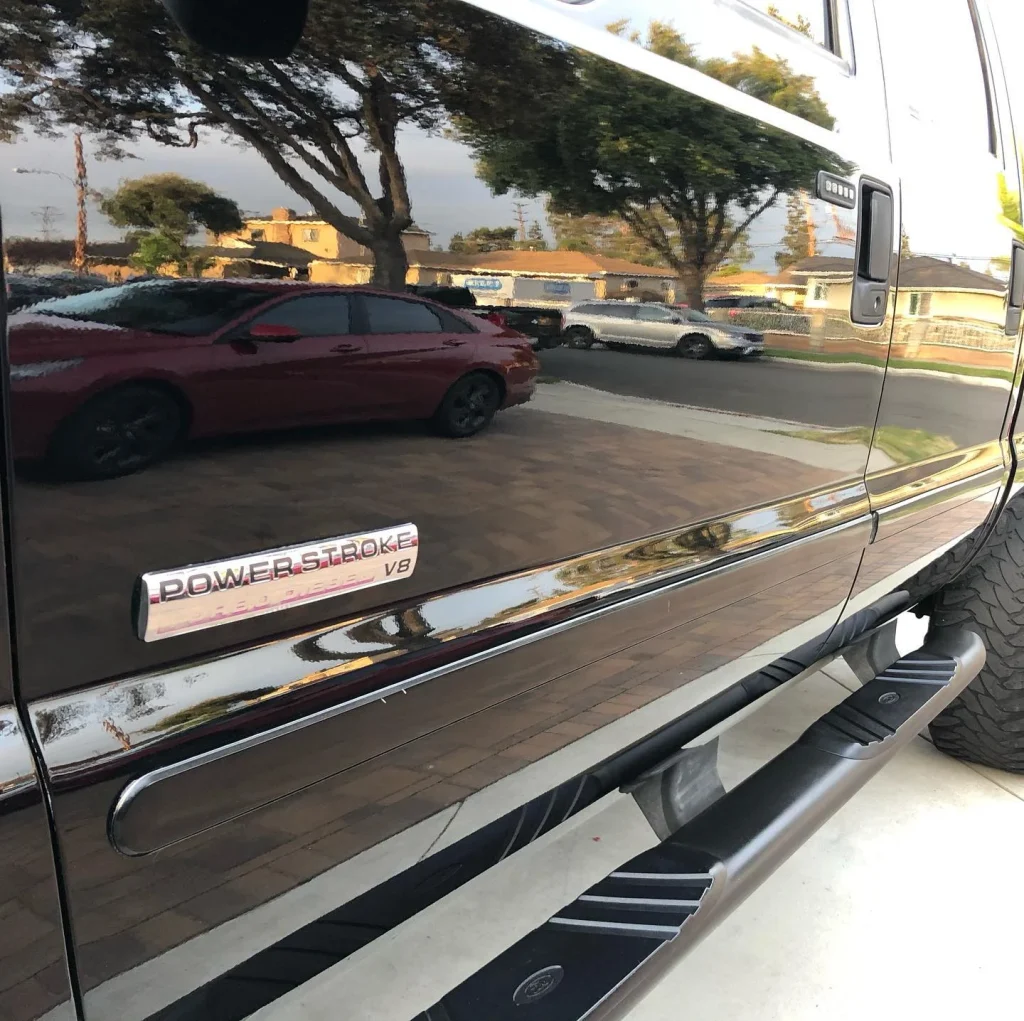
What Is Paint Correction?
Paint correction is the controlled removal of a thin layer of clear coat with a machine polisher to eliminate defects that scatter light and dull the finish.
Factory clear coat on most modern vehicles measures about 1.5 to 2.0 mils, or roughly 38 to 50 microns. Total factory paint, including primer and base color, usually falls between 4 and 7 mils (100 to 180 microns). Paint correction works only inside that thin clear layer, so the base color stays untouched on a properly corrected panel.
Glazes and fillers hide swirl marks until they wash away, often within a few weeks. Paint correction physically levels the surface instead. Once a defect is polished out, it stays gone until a new wash, contaminant, or impact creates fresh damage.
Defects Paint Correction Removes
Paint correction targets defects that sit within the clear coat. Common targets include swirl marks and wash-induced micro-marring, buffer trails and holograms, Type II water spot etching, bird dropping and tree sap etching, random isolated deep scratches (RIDS), and early oxidation.
Each defect calls for a specific pad, compound, and polishing strategy. Swirl marks show most clearly on black, dark blue, and red paint under direct sun or LED inspection lights. In Orange County, year-round sun speeds up clear coat oxidation and bakes bird droppings and tree sap into the surface, so etching forms faster than in milder climates.
1-Step vs. Multi-Step Correction
Factor | 1-Step Polish | Multi-Step Polish |
Stages | One combined cut-and-polish pass | Separate cut, polish, and finishing steps |
Typical defect removal | About 50% to 60% | About 80% to 95% |
Clear coat removed | Less | More |
Best for | Light swirls, haze, and dull gloss | Heavy swirls, holograms, and RIDS |
Common follow-up | Sealant or ceramic coating | Sealant or ceramic coating |
The correction level depends on defect depth, paint hardness, and the clear coat reading. A garage-kept car with light haze rarely needs more than a 1-step polish, while a neglected daily driver with heavy holograms may need a full multi-step plan.
How to Do Paint Correction
Paint correction follows four stages: decontamination, measurement, machine polishing, and verification with protection.
1. Wash and Decontaminate
A pH-neutral foam bath and hand wash remove loose dirt first. Iron removal spray then dissolves embedded brake dust, and a clay bar or clay mitt pulls bonded contaminants from the surface. Skipping this stage lets the polishing pad drag grit across the paint and create new scratches.
2. Measure Paint Thickness and Hardness
A paint thickness gauge records readings on every panel to establish how much clear coat can safely be removed. A test spot then shows how hard the paint is and which compound and pad combination cuts effectively.
3. Compound and Polish
A cutting compound on a wool, microfiber, or firm foam pad removes the deepest defects first. A finer polish on a softer foam pad then removes the haze the compound leaves behind. Dual-action (DA) polishers carry less risk of burning through clear coat, while rotary polishers cut faster and demand more operator skill.
4. Inspect and Protect
An IPA (isopropyl alcohol) wipe-down removes polishing oils so the inspection shows the true finish, not defects temporarily filled by polish residue. A final inspection under dedicated lighting then checks for holograms or missed areas, and a sealant or ceramic coating protects the corrected surface.
DIY paint correction works best on a single panel with light swirls and a DA polisher. Full-vehicle correction without a paint thickness gauge risks thinning the clear coat past the point of recovery, because clear coat does not grow back.
Expert Insight
“Most swirl damage we correct comes from wash habits, not the road. A paint thickness reading tells us how much clear coat each panel can spare, so we cut only as deep as the defect requires and stop there.”
From the Xelent Auto Detailing Spa Team
Is Paint Correction Worth It?
Paint correction is worth it when defects sit inside the clear coat. Once damage reaches the color coat or primer, refinishing is the better fix. The four situations below show where correction pays off most.
Is Paint Correction Worth It Before Ceramic Coating?
Yes, paint correction is worth it before ceramic coating: the coating seals every defect left on the clear coat. That seal locks swirl marks under a coating rated for 3, 5, or 8 years, depending on the package. Xelent Auto Detailing Spa includes a 1-step paint correction in every ceramic coating package.
Is Paint Correction Worth It Before Selling a Car?
Yes, paint correction is worth it before selling a car: corrected paint shows a buyer gloss and clarity instead of swirl marks. That gloss shapes a buyer’s first impression and the car’s perceived value. The answer flips when the paint shows peeling clear coat or rock chips, which need refinishing.
Is Paint Correction Worth It on an Older Car?
Yes, paint correction is worth it on an older car, as long as a paint thickness gauge confirms enough clear coat remains for safe polishing. Many detailers treat about 0.3 mils (8 microns) of removal as a practical limit for a full correction. A compound on a cutting pad then restores gloss on oxidized paint.
Is Paint Correction Worth It on a New Car?
Yes, paint correction is worth it on a new car when an inspection under dedicated lighting finds swirl marks or water spots. That inspection points to a 1-step polish, which removes 50% to 60% of defects while preserving the most clear coat. Paint with no defects needs protection only.
Paint Correction vs. Ceramic Coating
Paint correction removes existing defects, while ceramic coating protects the corrected finish from new ones, so the two services work in sequence rather than as alternatives.
Factor | Paint Correction | Ceramic Coating |
Purpose | Removes existing defects | Protects against future damage |
Method | Abrasive machine polishing | Nano-ceramic layer bonded to clear coat |
Effect on clear coat | Removes a few microns | Adds a thin protective layer |
Removes swirl marks | Yes | No, it seals them in |
Durability | Permanent until new damage | Multi-year, depending on the product |
Rock chip protection | No | No |
A ceramic coating bonds directly to the clear coat and magnifies whatever sits beneath it. Applying a coating over swirls locks those swirls under a layer designed to last years. For this reason, correction should always come before coating.
Neither service stops rock chips. Paint protection film (PPF) handles impact protection on bumpers, hoods, and mirrors.
How Long Does Paint Correction Last?
Paint correction is permanent for the defects it removes, but the corrected finish stays flawless only until new swirls, etching, or scratches form. Protection and wash habits decide how long the result looks fresh:
- Hybrid sealant wax: A hand-applied hybrid sealant wax protects corrected paint for about 3 months.
- Ceramic coating: Ceramic coating packages at Xelent Auto Detailing Spa extend protection to 3, 5, or 8 years. A freshly coated vehicle needs 7 days of curing before its first wash.
- Traditional wax: Traditional wax typically lasts weeks to a few months before it needs reapplication.
- Wash routine: A pH-neutral shampoo keeps corrected paint clean the longest, and automatic car washes with abrasive brushes should be avoided.
- Contaminant removal: Bird droppings and tree sap should come off quickly, because both can etch clear coat in direct sun.
Vehicles that have gone more than 2 years without professional correction are common candidates for a new inspection, and coated vehicles benefit from an annual coating check.
Buffing vs. Polishing
Buffing usually refers to aggressive cutting with a compound to remove deeper defects, while polishing uses finer abrasives to refine the surface and maximize gloss.
Factor | Buffing (Cutting) | Polishing (Finishing) |
Abrasive | Coarse cutting compound | Fine finishing polish |
Pad | Wool or firm foam | Soft foam |
Clear coat removal | Higher | Minimal |
Goal | Remove swirls and RIDS | Remove haze and maximize gloss |
The terms overlap in everyday use, and many drivers call any machine work “buffing.” In professional paint correction, the difference comes down to abrasive size, pad type, and machine choice.
Aggressive buffing without a follow-up polish leaves buffer trails and holograms, which appear as rainbow-like swirls in sunlight. A proper multi-step correction removes those holograms. Polishing alone works well on light swirls but cannot remove deeper RIDS.
Paint Correction vs. Repaint
Paint correction fixes damage inside the clear coat, while a repaint is needed once damage reaches the base color, primer, or metal.
The fingernail test is a common rule of thumb: a scratch that catches a fingernail likely runs deeper than polishing can safely reach. Peeling or flaking clear coat, rock chips, and panels with very low paint thickness readings also call for refinishing rather than correction.
Paint correction preserves the original factory finish, which matters at resale. Repainted panels typically read noticeably thicker on a paint thickness gauge, and buyers and inspectors use those readings to spot prior bodywork. Correction restores gloss while keeping the factory paint in place.
Not Sure Which Correction Level Your Paint Needs?
Send Xelent Auto Detailing Spa 2-3 photos of your current vehicle, taken in direct sunlight, and the team will recommend a 1-Step Polish or Multi-Step Polish based on the visible defects. A free in-person inspection with paint thickness readings is also available for drivers comparing options for paint correction in Orange County, CA. Text photos or call (714) 604-3404.
Paint Correction FAQs
Does paint correction remove clear coat?
Yes, paint correction removes a small, controlled amount of clear coat, usually a few microns per stage. Factory clear coat typically measures 38 to 50 microns, so a professional detailer takes paint thickness gauge readings on every panel before polishing. Those readings set how far each panel can be corrected and preserve enough clear coat for future maintenance.
How long does paint correction take?
A 1-step polish usually takes from 3-6 hours to one full working day, while a multi-step correction can take two days or longer on a heavily swirled vehicle. Vehicle size, paint hardness, and defect depth set the timeline. Xelent Auto Detailing Spa completes most Orange County jobs within the same week, and a ceramic coating adds a 7-day cure before the first wash.
Does a new car need paint correction?
Many new cars benefit from at least a 1-step polish when an inspection under dedicated lighting reveals light swirl marks or water spots on fresh paint. A new car usually needs the least correction, which preserves the most clear coat. Correcting a new car before ceramic coating ensures the coating seals a clean finish instead of early defects.
Can paint correction remove water spots?
Paint correction removes Type II water spots, which are etchings in the clear coat, while Type I mineral deposits usually come off during decontamination. Hard water and sprinkler overspray make both types common across Orange County. Deeply etched spots may only partially improve, so a paint thickness reading determines how far correction can safely go.
Can paint correction be done on matte paint or wraps?
No, traditional paint correction should not be performed on matte paint, satin finishes, or vinyl wraps, because polishing adds gloss and permanently changes the intended finish. Matte surfaces need dedicated matte-safe cleaners and protection products instead. Gloss clear coat on cars, trucks, and SUVs is the surface paint correction is designed for, with readings taken on every panel first.
About Xelent Auto Detailing Spa
The Xelent Auto Detailing Spa team brings 20+ years of experience to paint correction, measuring every panel with a paint thickness gauge before 1-Step or Multi-Step polishing. The IDA-registered, NGDD-certified team also handles ceramic coating, auto, marine, and RV detailing at its Orange shop and on-site across Orange County, CA.